


Why Are CBRN Shelters So Important?
The pandemic, regional conflicts, and threats to critical infrastructure in recent years have transformed the question “What is a CBRN shelter?” into more than just a military concern. CBRN protection solutions are now a critical necessity for a wide range of structures, from data centers to hospitals and even private residences.
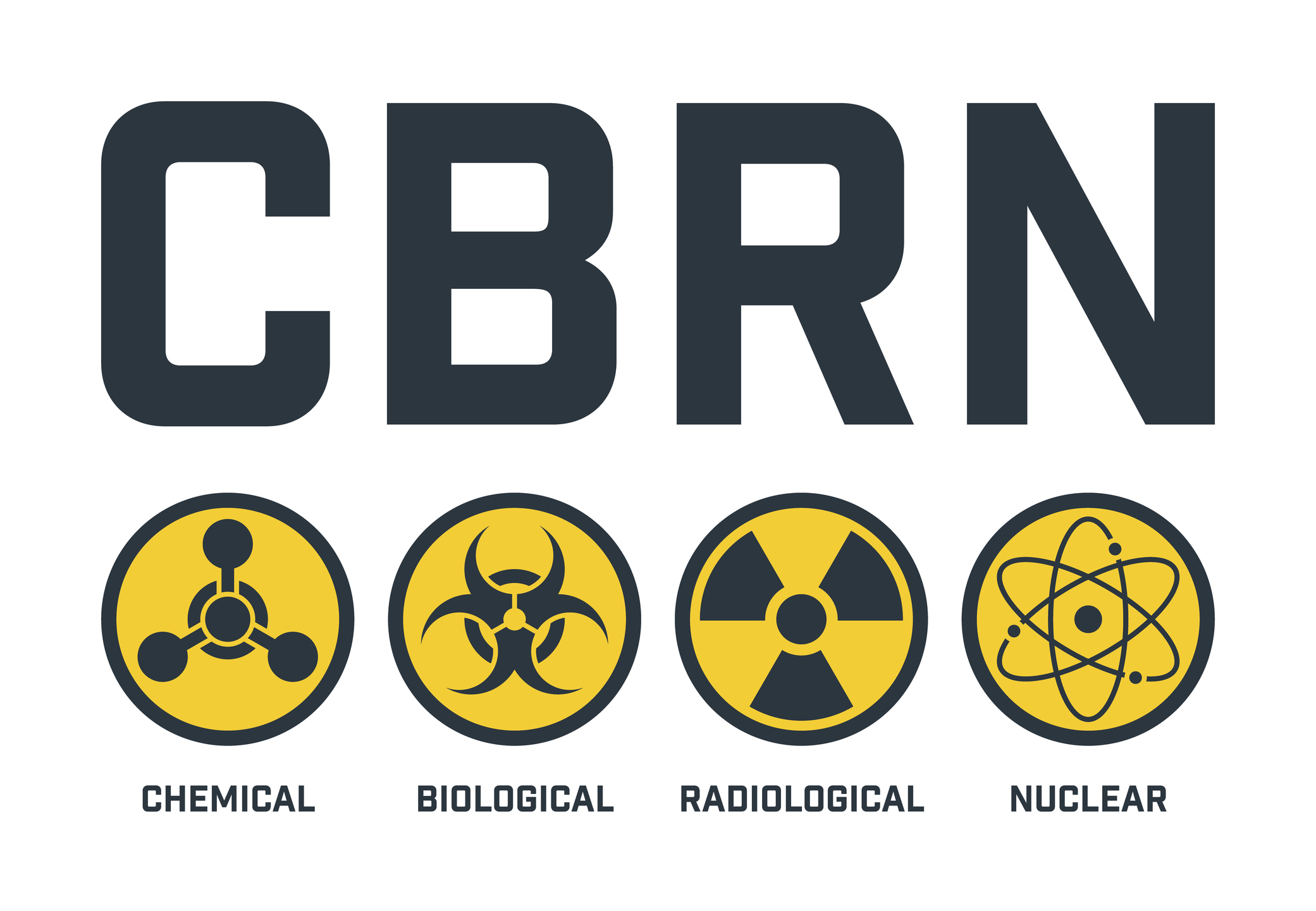
CBRN encompasses chemical, biological, radiological, and nuclear threats. A conventional shelter is insufficient for such threats. This is because the challenge is not merely to protect against explosions, but also to keep contaminated air out and maintain a livable environment inside.
CBRN shelters are secure structures that are completely isolated from the external environment in a controlled manner and use active systems to manage internal environmental conditions. The primary purpose of these systems is:
In this respect, CBRN shelters involve far more complex engineering solutions than conventional shelters.
How CBRN Shelters Work
The security of a CBRN shelter is ensured not by a single system, but by the coordinated operation of several critical components.
1. Filtration: The Heart of the System
The most critical component of CBRN shelters is air filtration. The systems used are typically three-stage:
These systems draw in outside air after filtering it.
2. Positive Pressure (Overpressure) System
One of the most critical safety principles for CBRN shelters is positive pressure.
Thanks to the pressure created inside:
A pressure difference of 50–300 Pa is typically targeted. This value is referenced in technical documents such as NATO AEP-54.
3. Sealing and Access Systems
Using a filter alone is not enough. Every point where air could leak must be sealed:
These components are tested in accordance with standards such as ISO 10648 and EN 1366.
4. CO₂ and Oxygen Management
One of the biggest risks in an enclosed space is the deterioration of indoor air quality.
For this reason:
Without these systems, long-term use is not possible.
5. Decontamination Areas
Professional CBRN shelters have a decontamination area in the entrance zone. This area:
is used for.
What Standards Are Used in Its Design?
CBRN shelters are not built haphazardly. Compliance with international standards is critical.
Some notable standards:
Compliance with these standards determines whether the system will actually work.
Where Are CBRN Shelters Used?
CBRN shelters are no longer limited to military facilities:
For critical infrastructure in particular, these systems are no longer "optional" but are becoming mandatory.
Why Is It Necessary in Real Life?
Reports from the World Health Organization and NATO indicate that a significant portion of chemical and biological threats target civilian areas. Furthermore, investment in measures against biological risks has increased significantly in the post-pandemic era.
This also shows that:
CBRN shelters are no longer just an “emergency solution” but a component of risk management.
Result
CBRN shelters represent the cutting edge of modern security approaches. These structures, in which filtration, pressure control, airtightness, and life support systems work in tandem, are not merely shelters; they are controlled living environments.
A properly designed CBRN shelter not only saves lives—it also ensures operational continuity.
References
AEP-54: NATO Handbook for the Design of NBC Shelters.
NATO Standardization Agreement (STANAG), Brüksel.
Chemical, Biological, Radiological and Nuclear (CBRN) Preparedness and Response Guidelines.
https://www.who.int
ISO 16890 – Air Filters for General Ventilation.
https://www.iso.org
EN 1822 – High Efficiency Air Filters (HEPA and ULPA).
European Union Standard.
EN 14387 – Gas Filters and Combined Filters.
European Respiratory Protection Standard.
NFPA 99 – Health Care Facilities Code.
NFPA 101 – Life Safety Code.
https://www.nfpa.org
UL 752 – Bullet-Resisting Equipment Standard.
https://www.ul.com
Ballistic Resistance of Body Armor Standard (NIJ Standard-0101.06).
https://nij.ojp.gov
Preparedness and Response for a Nuclear or Radiological Emergency.
https://www.iaea.org
Emergency Preparedness and Response for CBRN Incidents.
https://www.cdc.gov
HVAC Applications Handbook – Indoor Air Quality and Filtration.
https://www.ashrae.org
Critical Infrastructure Protection Guidelines (CIP).
https://ec.europa.eu